Brain Dump Planner KDP Interior Template: A Practical Guide for Content Creators
If you're an entrepreneur, blogger, educator, or creative professional looking to publish a planner or journal on Amazon KDP, the Brain Dump Planner KDP Interior Template could be a valuable tool. Designed with flexibility and ease of use in mind, this template offers a structured format that allows you to organize your thoughts, goals, and daily tasks efficiently. Whether you're creating a personal productivity planner or a business-focused journal, understanding how to use this template correctly can make all the difference in the quality and usability of your final product.
However, many users encounter challenges when working with this template. From overlooked design details to missteps in formatting, these issues can impact the overall effectiveness of your planner. In this guide, we’ll explore common mistakes, provide practical solutions, and help you make the most of the Brain Dump Planner KDP Interior Template.
What Is the Brain Dump Planner KDP Interior Template?
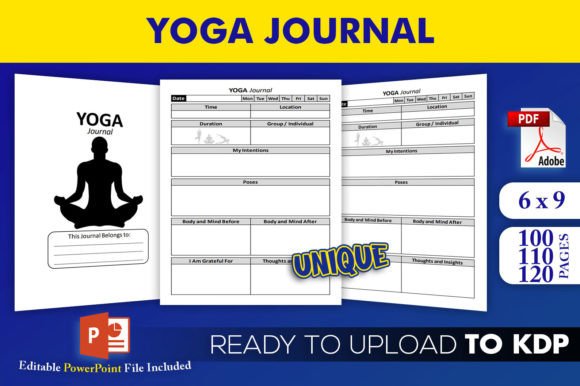
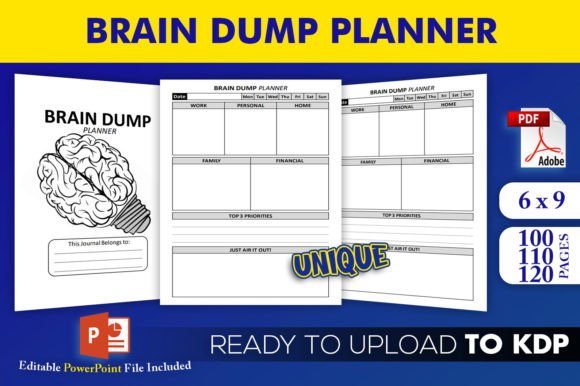
The Brain Dump Planner KDP Interior Template is a pre-designed layout intended for use with Amazon KDP (Kindle Direct Publishing). It includes editable PowerPoint files and three ready-to-upload PDFs, offering flexibility in customization. The template supports different interior page counts—100, 110, and 120 pages—and ensures high-resolution output suitable for both digital and print formats. With a trim size of 6×9 inches and no bleed, it’s optimized for KDP uploads, making it a popular choice among independent authors and content creators.
Its primary purpose is to help users create a structured, visually appealing planner without needing advanced design skills. By providing a consistent layout, the template streamlines the process of organizing content, allowing you to focus more on the substance of your planner rather than the technicalities of formatting.
Common Mistakes When Using the Brain Dump Planner KDP Interior Template
Despite its usefulness, the Brain Dump Planner KDP Interior Template can lead to frustration if not used correctly. Here are some of the most frequent errors users make:
- Ignoring page count requirements: Choosing the wrong number of pages can affect the usability of your planner. For example, a 100-page planner may be too short for long-term planning, while a 120-page version might feel unnecessarily bulky. Understanding your target audience’s needs will help you choose the right page count.
- Overlooking design consistency: While the template provides a structure, improper use of fonts, spacing, or margins can result in a cluttered or unprofessional look. Always review the layout before finalizing your design.
- Failing to test the template: Some users skip testing the template on KDP before uploading. This can lead to unexpected formatting issues, such as text overflow, image distortion, or incorrect margins. Always preview your PDF on multiple devices to ensure compatibility.
- Not customizing effectively: The template is editable, but without proper knowledge of design tools like PowerPoint, users may struggle to make meaningful changes. Take time to learn the basics of editing layouts and adjusting elements.
These mistakes can lead to poor user experiences, lower sales, and negative reviews. A poorly formatted planner may deter potential buyers, especially if it appears unprofessional or difficult to use.
How to Avoid Common Pitfalls
To maximize the benefits of the Brain Dump Planner KDP Interior Template, follow these practical tips:
- Understand your audience: Before selecting the template, consider who will use your planner. A busy entrepreneur may need a compact, goal-oriented layout, while a student might prefer a more detailed daily planner. Tailoring your design to your audience increases its value and appeal.
- Test the template thoroughly: Always generate a sample PDF and review it on different devices. Check for alignment, font clarity, and image placement. If possible, print a physical copy to assess how it looks in real life.
- Use consistent branding: Incorporate your brand colors, fonts, and logos into the template. Consistency helps build recognition and reinforces your professional image.
- Plan your content ahead: Organize your ideas before starting the template. Decide which sections to include, how much space each section will take, and what type of content (text, bullet points, diagrams) will go where.
By taking these steps, you can avoid many of the pitfalls associated with the Brain Dump Planner KDP Interior Template and create a high-quality, user-friendly planner.
What to Check Before Using the Template
Before diving into your project, there are several key factors to consider:
- File compatibility: Ensure that the template files (PowerPoint and PDF) work with your software. If you’re using a different design program, check if the template can be converted or adapted.
- Resolution and quality: High-resolution interiors are essential for both digital and print versions. Verify that the template meets KDP’s standards for image and text clarity.
- Page layout options: Explore the different interior page designs provided. Choose the one that best suits your content and user experience goals.
- Legal and licensing terms: Review any restrictions on the template’s use. Make sure you have the rights to modify and distribute the content as needed.
These checks can prevent last-minute surprises and ensure that your planner meets your expectations and those of your readers.
Realistic Examples and Better Approaches
Let’s look at a few scenarios to illustrate how the Brain Dump Planner KDP Interior Template can be used effectively:
- Example 1: A productivity coach creates a 120-page planner with daily task lists, weekly goals, and reflection sections. By carefully planning the layout and using the template’s customizable features, they produce a well-organized, easy-to-use planner that resonates with their audience.
- Example 2: A small business owner downloads the template but skips testing it on KDP. They later discover that text is cut off on some pages, leading to poor customer feedback. By testing early, they could have avoided this issue.
- Example 3: A blogger uses the template to create a journal for personal development. They incorporate their brand colors and add motivational quotes to enhance the visual appeal. This thoughtful approach increases engagement and builds trust with readers.
These examples highlight the importance of preparation, testing, and customization when working with the Brain Dump Planner KDP Interior Template.
Conclusion: Making the Most of Your Planner Template
The Brain Dump Planner KDP Interior Template is a powerful tool for anyone looking to create a professional, organized planner for KDP. However, success depends on how well you understand and apply the template. By avoiding common mistakes, testing your design, and focusing on user experience, you can turn this resource into a valuable asset for your content creation efforts.
Remember, the goal is to provide a helpful, aesthetically pleasing, and functional planner that meets the needs of your audience. With the right approach, the Brain Dump Planner KDP Interior Template can be a stepping stone to achieving that goal.