Monthly Savings Tracker Interior: A Comprehensive Guide
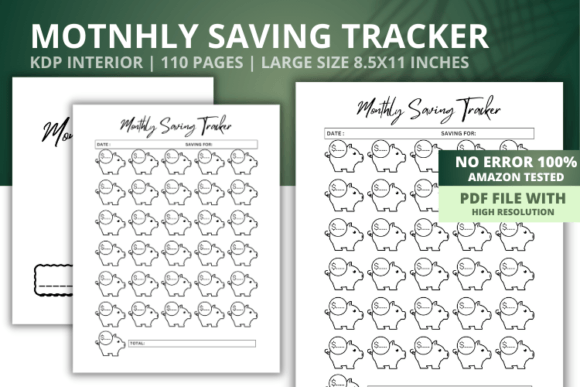
The Monthly Savings Tracker Interior is a practical tool designed for individuals and professionals who want to maintain control over their financial habits. This 8.5×11-inch PDF file offers a structured approach to tracking monthly savings, making it ideal for anyone looking to build or maintain a budgeting system. With 110 pages of content, it’s a comprehensive resource that can be downloaded, edited, and printed with ease.
Whether you're managing personal finances, running a small business, or simply trying to save more money, the Monthly Savings Tracker Interior provides a clear framework for organizing your financial data. Its high-resolution design ensures that it looks professional whether you choose to print it or use it digitally. The file is ready to upload or print, making it accessible for users of all technical skill levels.
Understanding the Purpose of Monthly Savings Tracker Interior
The primary purpose of the Monthly Savings Tracker Interior is to help users monitor their spending and saving habits on a monthly basis. By providing a consistent format, it allows for easy comparison between different time periods, helping users identify patterns and make informed decisions about their financial future.
This tracker is particularly useful for those who want to set financial goals, such as saving for a vacation, paying off debt, or building an emergency fund. It encourages discipline by requiring users to input their income, expenses, and savings regularly. Over time, this habit can lead to better financial management and greater peace of mind.
Key Features of the Monthly Savings Tracker Interior
- Large Size: The 8.5×11-inch format makes it easy to read and fill out, whether you’re using a digital device or printing it out.
- 110 Pages: This extensive page count ensures that there's enough space to track multiple months of data without running out of room.
- PDF Format: The file is ready to download and print, allowing users to customize it as needed.
- No Error Pages: Tested on Amazon KDP, ensuring that the file is free from technical issues.
- High-Resolution: The quality of the file ensures that it looks sharp and professional when printed.
Who Can Benefit from Using the Monthly Savings Tracker Interior?
The Monthly Savings Tracker Interior is suitable for a wide range of users. For general consumers, it’s a great way to stay on top of personal finances. For professionals, it can serve as a tool for managing project budgets or tracking business expenses. Creators and online users may find it helpful for tracking income from multiple sources, such as freelance work or passive income streams.
Business owners, in particular, can benefit from using this tracker to monitor cash flow and ensure that they are setting aside enough money for savings and reinvestment. The structured layout of the document makes it easy to analyze financial performance and make adjustments as needed.
Practical Applications of the Monthly Savings Tracker Interior
Imagine a scenario where a family wants to save for a new home. By using the Monthly Savings Tracker Interior, they can track their income, expenses, and savings each month. This helps them see how much they can realistically set aside and when they might reach their goal.
Another example could be a small business owner who uses the tracker to monitor monthly profits and expenses. By comparing data across different months, they can identify trends and make informed decisions about where to cut costs or increase revenue.
For students or young professionals just starting out, the Monthly Savings Tracker Interior can be a valuable tool for learning how to manage money effectively. It provides a hands-on approach to budgeting, which can lead to long-term financial stability.
Strengths and Considerations
One of the main strengths of the Monthly Savings Tracker Interior is its versatility. It can be adapted to suit different financial situations and needs. The ability to edit the PDF file means that users can customize it to fit their specific requirements, whether they need additional sections or prefer a different layout.
However, it’s important to note that the effectiveness of the tracker depends on how consistently it is used. If a user only fills it out occasionally, the benefits may not be as significant. Additionally, while the file is easy to use, some users may find it beneficial to pair it with other financial tools, such as budgeting apps or spreadsheets, for a more comprehensive approach.
Real-World Scenarios and Expectations
In real-world scenarios, the Monthly Savings Tracker Interior has been used successfully by individuals and businesses alike. For instance, a single parent might use it to track daily expenses and ensure that they have enough money for groceries, utilities, and other essentials. Over time, this can lead to better financial planning and reduced stress.
On the other hand, a freelancer might use the tracker to monitor income from various clients and allocate funds toward taxes, savings, and personal expenses. This helps them avoid overspending and ensures that they are prepared for unexpected costs.
It’s also worth noting that while the tracker is a powerful tool, it should be used in conjunction with other financial practices. Regularly reviewing the data and adjusting the plan as needed is essential for long-term success.
How to Evaluate the Suitability of the Monthly Savings Tracker Interior
When considering whether the Monthly Savings Tracker Interior is right for you, it’s important to assess your financial goals and habits. If you’re someone who prefers a structured approach to budgeting, this tracker can be a valuable addition to your financial toolkit.
Additionally, think about how often you’ll use the tracker and whether you have the time and motivation to keep it updated. If you’re looking for a quick and easy solution, the Monthly Savings Tracker Interior offers a straightforward way to start tracking your savings without the need for complex software or tools.
Finally, consider the size and format of the file. The 8.5×11-inch layout is ideal for most users, but if you have specific preferences, you may want to explore other options. However, for most people, this format provides a balance between readability and functionality.